
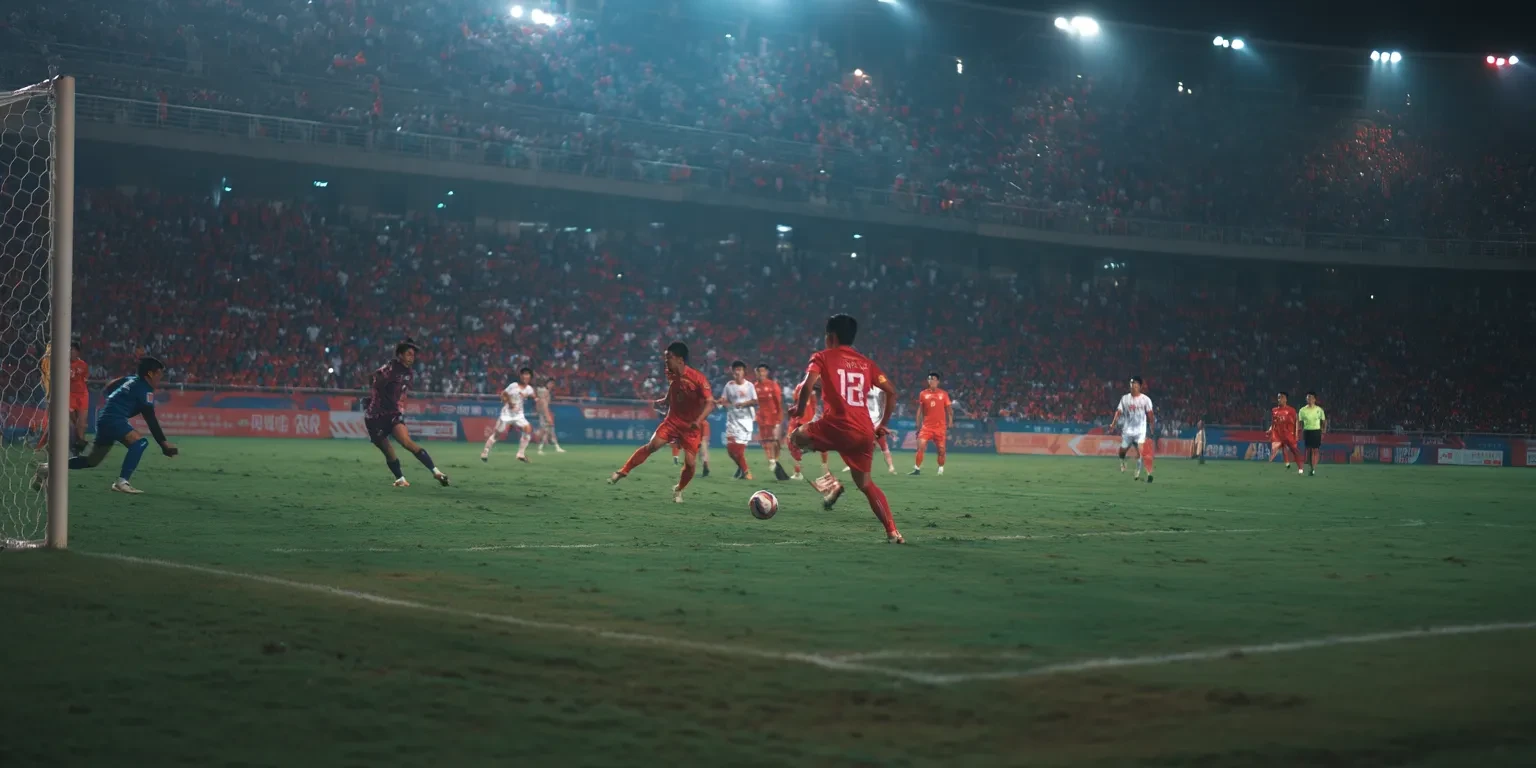

93d Standings in Brazil in 2026: table, form and battle for positions
Follow the main football standings with context, not just a sequence of numbers. On this page, 93d brings together criteria for understanding points earned, matches played, wins, draws, losses and goal difference, while highlighting how these indicators help explain the race for titles, continental places and staying in the division. The 93d platform organizes the information for those just starting out and for those who already follow every round closely, paying attention to recent form, home performance and away fixtures. Positions can change quickly over the course of the season, so check the update date shown alongside the data before comparing clubs or drawing conclusions about a campaign.
Explore sports coverage

Title Race & Relegation
Table context: points, matches played, and goal difference — not a prediction.
| # | Equipe | J | V | E | D | SG | Pts |
|---|---|---|---|---|---|---|---|
| 1 | Newcastle | 8 | 6 | 2 | 0 | 12 | 20 |
| 2 | Aston Villa | 8 | 6 | 2 | 0 | 12 | 20 |
| 3 | Manchester City | 8 | 6 | 1 | 1 | 11 | 19 |
| 4 | Real Madrid | 8 | 5 | 2 | 1 | 9 | 17 |
| 5 | Barcelona | 8 | 5 | 1 | 2 | 8 | 16 |
| 6 | Liverpool | 8 | 4 | 1 | 3 | 5 | 13 |
| 7 | Arsenal | 8 | 4 | 1 | 3 | 5 | 13 |
| 8 | Crystal Palace | 8 | 3 | 3 | 2 | 4 | 12 |
| 9 | West Ham | 8 | 3 | 2 | 3 | 3 | 11 |
| 10 | Brighton | 8 | 2 | 2 | 4 | 0 | 8 |
How to interpret the table without losing context
A standings table is an accumulated snapshot of the competition, but each column answers a different question. Points show overall performance; matches played indicate whether all clubs have played the same number of games; and goal difference helps show the difference between winning consistently and relying on narrow results. On the 93d table, the safest approach is to start with the round and reference date, check the official tiebreaking criteria, and only then compare positions. In competitions with postponed matches, a team may appear below another despite having potential points to make up, but this does not guarantee that its position will change.
Points, wins and consistency
In many leagues, a win is worth three points and a draw is worth one, while a loss earns none. Always check the rules of the competition you are following, as the standings format and tiebreaking criteria can vary. The total number of wins is often a direct indicator of efficiency, but it does not explain a campaign on its own: one team may earn points through frequent draws, while another alternates between wins and losses. Compare points with the number of matches and see whether the club performs similarly at home and away.
It is also worth distinguishing accumulated results from current form. A positive recent run may indicate improved organization, the return of players or a more favorable schedule; a downturn may be related to absences, travel or high-level opponents. These factors are clues for analysis, not predictions. For beginners, a good routine is to check matches played first, then wins, draws and losses, and finally goal difference. For those who follow the game more closely, comparing five-match stretches can reveal changes in momentum, as long as the stretch is identified as a recent period and does not replace the full table.
What position alone does not tell you
A position on its own does not reveal the quality of each performance. Injuries, suspensions, coaching changes and the sequence of opponents all affect how the table should be read. Use it as a starting point and supplement it with squad and schedule news.
Goal difference, points percentage and recent form
Goal difference is calculated by subtracting goals conceded from goals scored. A positive goal difference may signal a productive attack, a solid defense or both; a negative figure, in turn, should be considered alongside the schedule and results. It can also serve as a tiebreaker, but the official order should be confirmed in each tournament's rules. Do not confuse goal difference with total goals: two teams may score similar numbers of goals and still differ significantly in how well they protect their own penalty area.
A balanced reading of the indicators
Points percentage expresses points earned as a proportion of the points available. This calculation makes it easier to compare teams with games in hand, as long as readers understand that it is a supplementary metric, not an official position. To follow a campaign, see whether the points percentage remains steady at home and away, and whether the team can earn points against opponents from different parts of the table. A short run can fluctuate considerably, so combine the recent stretch with the full season.
Recent form helps identify trends without making unfounded claims. A team that creates chances but converts few of them may be performing differently from what its points suggest; another may be making good use of set pieces or protecting a lead. The 93d platform aims to bring these elements into the reading of the standings by providing context on matchups and available updates. When there is a change of kickoff time, a postponed match or a result that is still being confirmed, the information should be treated as provisional until officially validated.
Home and away
Separating home and away performance helps reveal patterns: crowd pressure, long trips, adapting to the pitch and the opponent's strategy can all affect performance. Do not infer a trend from a single match. Compare several fixtures and consider the level of the opponents faced.
The race for the top, places, and survival
The gap between clubs may seem small, but it needs to be read in light of the remaining matches, head-to-head fixtures, and tiebreaking rules. In the title race, consistency often matters: dropping few points against teams of different levels can be just as important as winning high-profile matchups. In the race for continental places, qualification cutoffs depend on the league and any additional places awarded through cup competitions. Avoid treating a mid-table position as a final outcome while matches remain to be played.
The decisive zone and pressure from the standings
At the bottom, every point can change the gap to the safety zone, but analysis requires care. Compare the number of matches played, goal difference, and upcoming fixtures; also consider whether postponed matches could change the picture for the matchweek. A team on the rebound may gain confidence, although a good run does not eliminate risks. Likewise, a club above the relegation zone is not automatically safe. The standings describe the current state of the competition and should be checked alongside recent news, without turning a trend into a promise.
For a practical overview, follow three layers: official position, points gap to nearby rivals, and form in recent matches. Then look at whether upcoming opponents are competing for similar objectives and whether any important absences have been reported. Injury and suspension information may change before kickoff, so it should be checked against updated announcements. 93d coverage separates confirmed data from editorial context so Brazilian fans can understand the matchweek without confusing projections, analysis, and official results.
Criteria worth checking
Regulations may prioritize goal difference, wins, head-to-head results, or other criteria. In knockout tournaments, progression to the next round follows its own rules and should not be interpreted as a league table. Check the specific competition before comparing clubs.
Leagues and competitions to follow in 2026
The selection below highlights real competitions and different standings contexts. Each tournament's schedule and data change over the course of the season; check the matchweek indicated in the coverage to confirm the latest update. No score or provisional position is presented as an invented result.

Campeonato Brasileiro Série A
Follow the race for the title, continental places, and survival. Looking at home and away performance, goal difference, and recent form helps explain why the standings can change significantly from one matchweek to the next.
View coverage
Premier League
A league with a packed schedule, where postponed matches and European fixtures can affect comparisons. Look at matches played, away performance, and the race for continental places.
View coverage
La Liga
Follow the race at both ends of the standings and compare attack, defense, and consistency. The context of head-to-head matchups adds to the points-based picture without replacing the official criteria.
View coverage
Serie A
Following the standings offers a deeper picture when defensive balance and the run of fixtures are taken into account. Check the matchweek and regulations before comparing clubs close on points.
View coverage
Bundesliga
See how wins, goal difference, and matches played shape the race for the top and survival. Recent form provides useful context, but should be considered alongside performance over the full season.
View coverage
Ligue 1
A reference for following European places and the bottom of the table. Compare points per match when teams have played different numbers of games, and check for possible schedule changes.
View coverage
UEFA Champions League
The format and advancement criteria vary by stage. Follow the official standings, confirmed matchups, and context for each matchweek, without mixing the continental table with the domestic league.
View coverage
Campeonato Brasileiro Série B
The race for promotion and survival calls for attention to consistency throughout the season. Points, goal difference, and remaining matches offer a clearer picture than position alone.
View coverageClear data, responsible updates
Standings depend on validated results and specific rules. Use the displayed date and matchweek as a reference, especially after postponed matches or disciplinary decisions. Editorial coverage does not replace the competition's official regulations.
To follow results and the schedule together, visit 93d.lat and consult related sports pages.

Frequently asked questions about standings
How can I tell if the standings have been updated?
Check the date, time, and round associated with the data. After a game, a suspension, or a postponed match, the table may take some time to reflect official validation. If two clubs have played different numbers of matches, also compare games played and points per game, without assuming that the club with a game in hand will necessarily win the outstanding fixture.
What does goal difference mean in the standings?
Goal difference is the difference between goals scored and goals conceded during the competition. It helps put offensive and defensive performance into context and may be used as a tiebreaker, depending on the regulations. A positive goal difference does not guarantee a specific position; you need to consider points, matches played, and the official criteria applicable to that league.
How do you compare teams with games in hand?
Start by checking how many matches each team has played. Then use points per game as an additional reference and check the opponents and dates of the outstanding matches. This metric does not change the official standings or guarantee a future result; it simply makes the comparison more balanced while teams have played an unequal number of matches.
Does form over the last few rounds replace the full table?
No. Recent form helps identify short-term trends, such as improved defending or difficulty converting chances, but it can fluctuate considerably. For a solid assessment, combine the run of recent matches with the full-season record, goal difference, home advantage, and the level of the opponents faced during that period.
Why can a team's position change after a round?
A win, draw, or loss changes the points total, and goal difference can break a tie between teams with the same number of points. Postponed matches, disciplinary decisions, and specific criteria can also have an impact. Check the latest update and the competition regulations before interpreting changes, especially in races for the title, continental places, or survival.
Follow the next round with context
Check results, fixtures, and standings analysis in sports coverage aimed at a Brazilian audience. Follow along responsibly, take breaks when needed, and treat data and projections as information, not as certainty about what will happen on the field.